Car Maintenance Guides for West Texas
Expert tips to keep your vehicle running reliably in extreme heat, dust storms, and West Texas conditions. Learn how to prevent costly repairs and extend your car's lifespan.
Need Professional Help? Call (806) 615-4495Extreme Heat & Car Batteries in Lubbock
West Texas heat can be brutal on your car battery. Temperatures regularly exceed 95°F in summer, causing batteries to degrade faster than in milder climates.
Why Heat Damages Batteries
High temperatures accelerate chemical reactions inside battery cells, reducing battery life by as much as 50% compared to moderate climates. Even a brief period of 100°F+ heat can permanently reduce your battery's capacity.
Warning Signs Your Battery Is Struggling
- • Slower engine cranking or clicking sounds when starting
- • Dashboard warning lights flickering
- • Swollen or bloated battery case
- • Corrosion around battery terminals (white, blue, or green powder)
Maintenance Tips
- • Park in shade whenever possible to keep your battery cool
- • Clean battery terminals regularly to prevent corrosion buildup
- • Check battery health every 6 months during summer
- • Replace batteries every 3-4 years in West Texas (vs. 5-6 years in cooler areas)

Dust Storm Damage Prevention
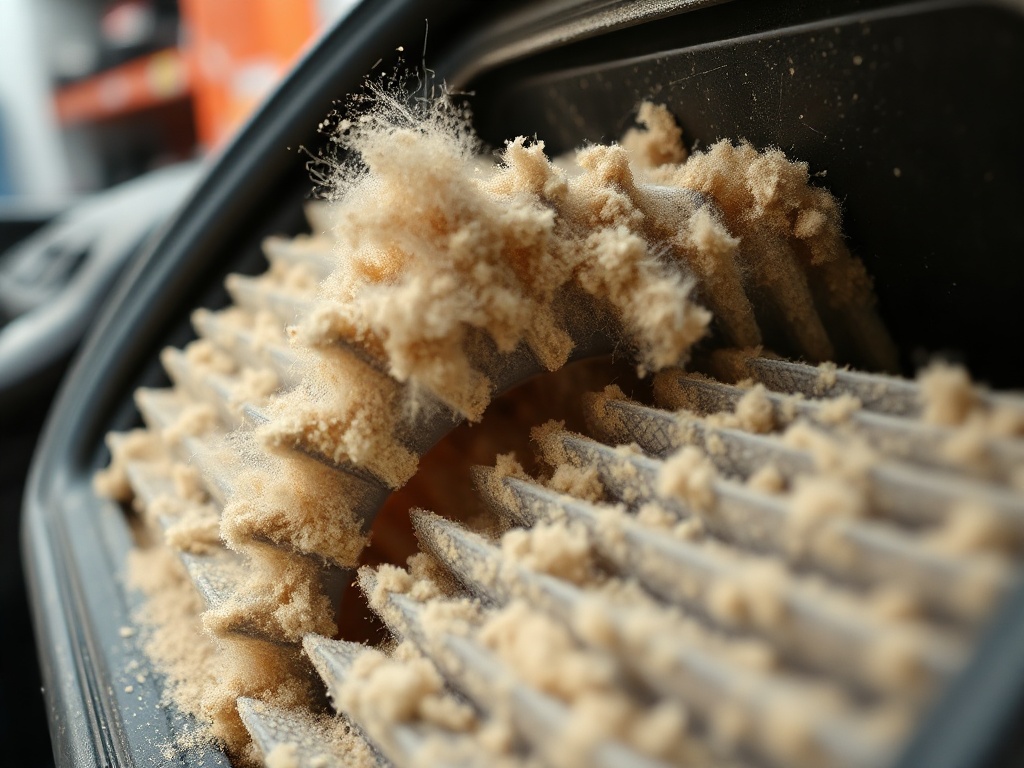
West Texas dust storms can wreak havoc on your vehicle's engine and systems. Lubbock experiences multiple dust storms annually, each dumping tons of fine dust into the air—and into your vehicle.
Impact of Dust Storm Exposure
Fine dust particles bypass air filters and damage engine components, fuel injectors, and transmission systems. A single severe dust storm can reduce fuel efficiency by 10-20% and accelerate wear on critical parts.
Protection & Maintenance
- • Replace air filters every 3-6 months in dusty West Texas conditions
- • Check cabin air filters regularly for dust accumulation
- • Park in a garage during dust storms when possible
- • Wash your vehicle after dust storms to remove abrasive particles
- • Consider using high-flow air filters rated for dusty climates
After a Dust Storm
If your vehicle was exposed during a dust storm, have our technicians inspect:
- • Engine air filter and cabin air filter
- • Fuel system for contamination
- • Paint and clear coat for damage
AC Maintenance for Texas Summer Heat
A working air conditioner isn't a luxury in Lubbock—it's essential. When summer temperatures exceed 100°F, your AC system works overtime. Proper maintenance prevents breakdowns when you need it most.
Signs Your AC Needs Service
- • Weak or warm airflow from vents
- • Strange noises or unusual smells
- • Inconsistent cooling—cold on one side, warm on the other
- • Moisture or moisture smell inside the vehicle
- • Engine overheating or temperature gauge rising
Regular AC Maintenance
- • Spring (May): Have AC system inspected and serviced before summer
- • Annually: Replace cabin air filter to maintain air quality and efficiency
- • Every 2 years: Have refrigerant levels checked and recharged if needed
- • Every 3-4 years: Professional AC system cleaning
Tips for AC Longevity
- • Park in the shade to reduce AC load and heat buildup
- • Use window shades or sunroofs to block direct sun
- • Don't set AC to lowest temperature immediately—let it gradually cool
- • Use AC recirculation mode to cool faster and reduce load on the system

Battery Corrosion in West Texas Heat
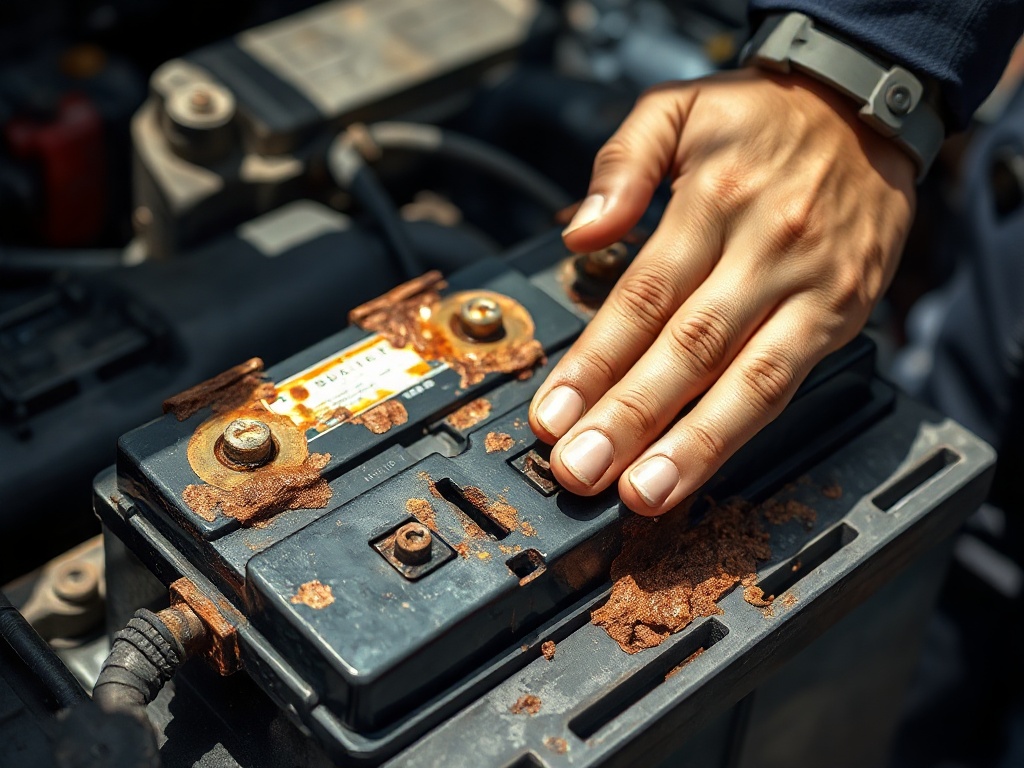
Battery terminal corrosion is one of the most common issues we see in Lubbock. The combination of extreme heat and humidity creates an ideal environment for corrosion to develop, reducing electrical connection quality and battery performance.
What Causes Battery Corrosion?
Battery corrosion occurs when sulfuric acid from the battery reacts with metal terminals. High heat speeds up this chemical reaction, causing white, blue, or green crusty deposits to form around the positive and negative terminals.
Problems Corrosion Causes
- • Reduces electrical current flow to starter and engine
- • Makes starting difficult or impossible
- • Affects alternator charging efficiency
- • Can spread to other electrical connections
How to Clean Battery Terminals
- Disconnect the negative (black) terminal first, then positive (red)
- Mix baking soda with water to create a paste
- Scrub terminals with an old toothbrush or wire brush
- Rinse thoroughly with distilled water
- Dry completely with a clean cloth
- Reconnect positive terminal first, then negative
- Apply terminal protectant spray to prevent future corrosion
Prevention Tips
- • Check battery terminals monthly for corrosion buildup
- • Clean terminals proactively before corrosion worsens
- • Use terminal protectant products after cleaning
- • Keep battery terminals dry and protected from moisture
Seasonal Maintenance Calendar for West Texas
Spring
(March - May)
Summer
(June - August)
Fall
(September - November)
Winter
(December - February)
Need Professional Help?
Don't let West Texas conditions damage your vehicle. Our ASE-certified technicians are mobile and ready to help with any maintenance or repair—call us today.
Available Mon-Fri 9am-8pm • 24/7 Emergency Service